
Before you start thinking I’m about to give you a recipe with a method of,
‘1. Grab a tin opener.
2. Open the tin.
3. Serve. Enjoy your bowl of rice pudding folks!’
I must stop you in your tracks. This pudding could most definitely be defined as ambrosia, in the ‘food of the gods’ sense only though, as it has way too much personality (and rice for that matter) to be affiliated with that from the can. In saying that I really don’t mind the tinned stuff too much but when compared with this toothsome beauty it suddenly becomes redundant.

There are days where only a bowl of warm homemade rice pudding will do and this one ticks all of the boxes. The aroma that filled my kitchen whilst making this was so heavenly I struggle to find the words to do it justice. This coconut rice pudding, infused with pandan and just a hint of vanilla, was subtle yet somehow the flavours were distinct enough to evoke the beautiful flavours I have tasted whilst visiting family in Malaysia. Pandan is a tropical plant which is used widely throughout Southeast Asian cuisine as a flavouring or, when blended with a little water, a vibrant green food colouring. It can be used in either sweet or savoury dishes and is complemented wonderfully by coconut. I find this recipe works incredibly well using sushi rice, not only just in keeping with the other asian ingredients I have included here but mainly because the grains are lovely and plump, making it texturally very satisfying to eat.
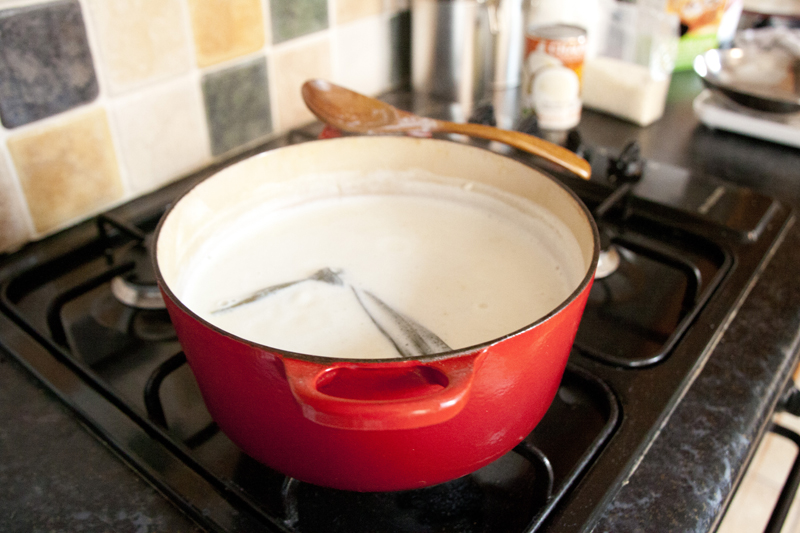
Coconut Pandan Rice Pudding (Serves 6)
2 Tablespoons sunflower oil
200g (7 oz) sushi rice or regular short-grain rice
1.25 litres (44 Fl oz/5 cups) full fat milk
250ml (1 cup) coconut milk
1 pandan leaf, folded in two and knotted
1 teaspoon vanilla bean paste or a vanilla pod
60g caster (superfine) sugar (2oz)
Method
Heat the oil in a heavy based pan then add the rice and gently stir to warm it and coat the grains. Add the milk, coconut milk, knotted pandan leaf and vanilla bean paste (if using a vanilla pod just split it in two, scrape out the sticky black seeds with the back of the knife and add it to the pot along with the split pod). Bring to the boil. Lower the heat and simmer for about 10 minutes, stirring quite often so that it doesn’t stick to the bottom of the pan.
Add the caster sugar, then let it simmer for another 10-15 minutes stirring frequently as before until the rice is tender and has a nice thick consistency.
This is delicious eaten warm, although it also makes a mighty tasty breakfast the following day with a healthy spoonful of jam! Although I’m usually a raspberry jam kind of girl I opted for a high fruit strawberry jam this time around.
Next time I might be tempted to try pineapple for a more authentic combination, although any type will do really depending on your preference and what you happen to have on hand!

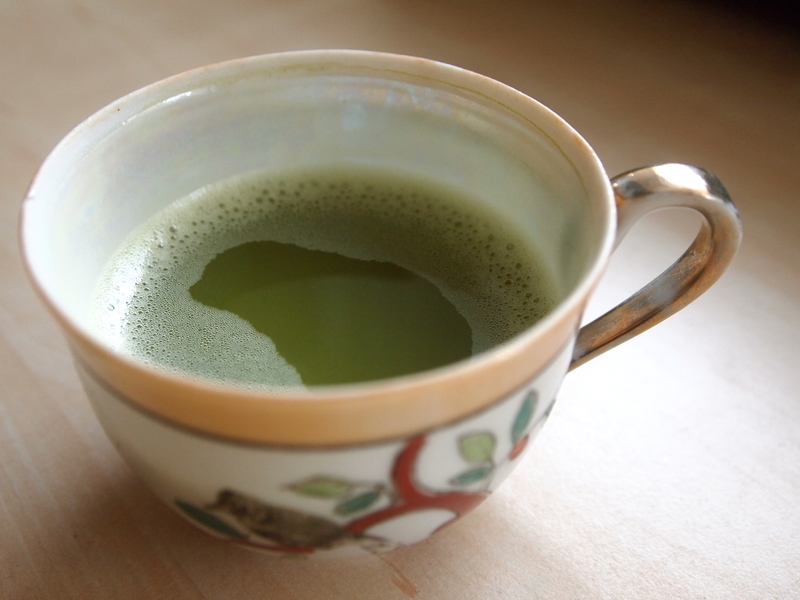
 ne Saturday morning a few months ago, whilst perusing through the many wonderful culinary delights at St. Georges market, I spotted a single little packet of matcha at the

 theediblecraft.com